In this article, AffairsTime explain how Putin transformed Russia. How from KGB spy, Putin became the most powerful leader in the world. And why Russia still likes Putin after everything he did.
The Collapse, The Crisis & The Rise of a New Leader
December 31, 1999 — the last day of the 20th century.
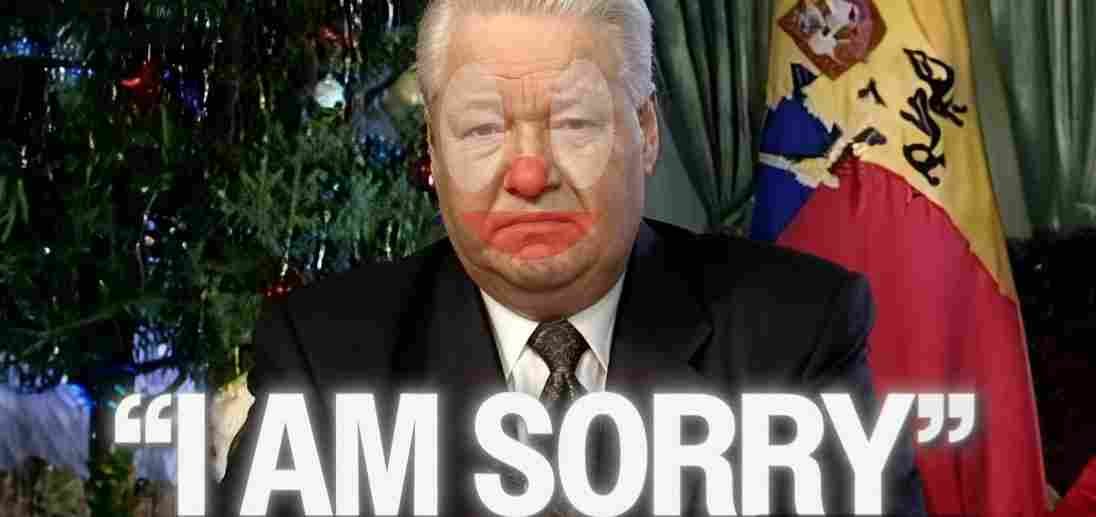
While the world celebrated a new era, one country stood shattered. The Soviet Union had already collapsed, and Russia itself was collapsing economically, politically, and socially. Their president, Boris Yeltsin, appeared on national television with tears in his eyes.
He said only two words: “I am sorry.”
This was the Russia that Vladimir Putin inherited. Today, global putin news often paints him as a villain whose decisions could start a nuclear war. But if he is truly so evil, why hasn’t the world been destroyed yet?
The Western media projects a single narrative:
“Putin is the villain.”
But this “villain” took Russia from heavy debt to nearly $700 billion in reserves. Where one in three Russians lived in poverty in the 1990s, today 90% of extreme poverty has ended. Russia, once broken and chaotic, rebuilt itself dramatically under this leadership.
This article does not glorify or defend anyone. It simply looks at the other side of the coin, something rarely shown in the West.
This is the first chapter of our series — Leaders of the World.
We seek lessons, not opinions. Understanding, not judgment.
And every story of Russia begins with a boy named Vladimir Putin.
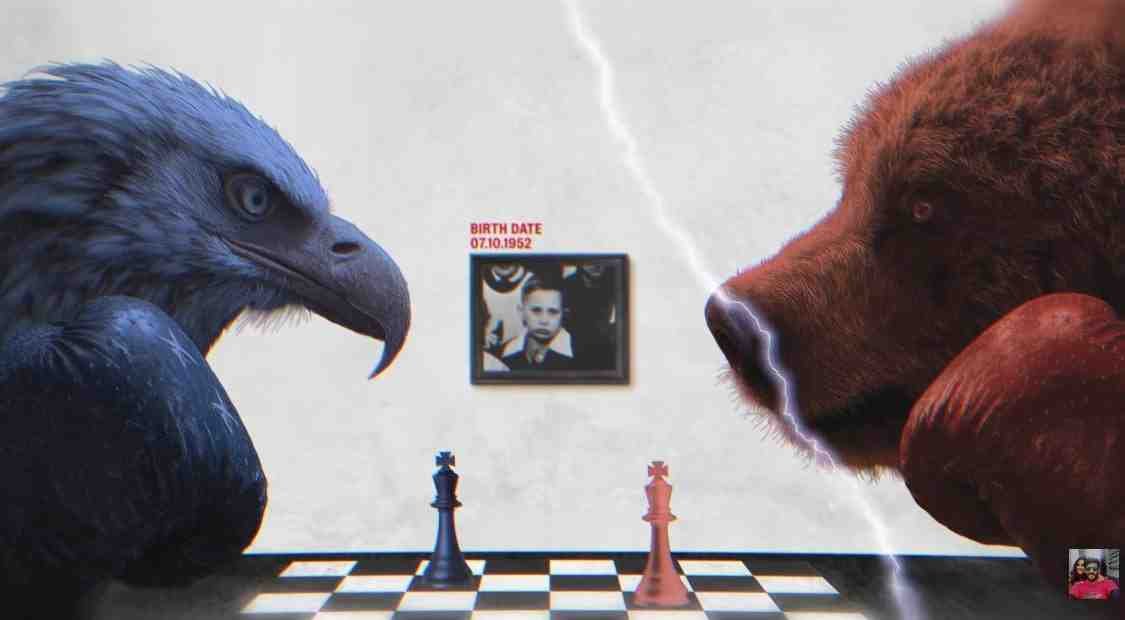
Childhood of Conflict — From Leningrad Streets to the KGB
Putin was born in Leningrad during the Cold War—a time when the US and USSR competed in everything from chess to space exploration. His father fought in World War II and helped stop Nazi Germany. His two brothers died during the Nazi siege of Leningrad. These stories shaped his worldview.
He was short and often bullied in school.
He heard stories of how the West bullied the world, how imperial powers dominated nations. Competition was in his blood. Ambition was in his eyes.
He earned a law degree from St. Petersburg State University, then joined the KGB—the USSR’s secret service, equivalent to the CIA. His childhood love for spy films became reality.
In 1975, his first posting was in East Germany.
On November 9, 1989, when the Berlin Wall fell, Putin was inside the KGB office burning classified files so they wouldn’t fall into Western hands.
When the USSR collapsed, everything changed.
Putin moved into politics—not as a king, but as a kingmaker. He connected the central government with regional leaders to prevent Russia from breaking into more pieces.
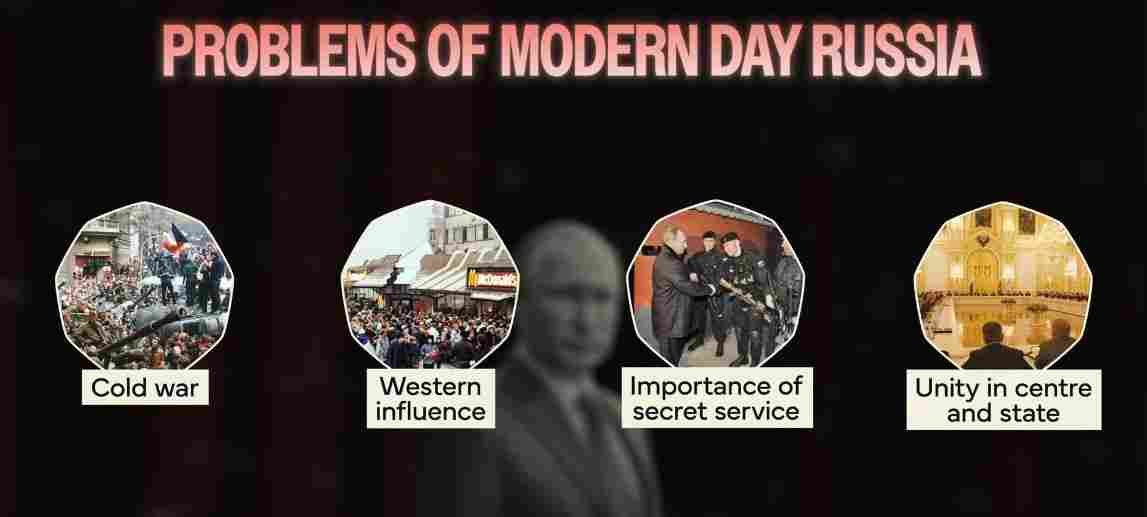
He later became head of Russia’s Federal Security Service (FSB), successor to the KGB. Few leaders have firsthand experience with:
- The Cold War
- Western interference
- Secret service operations
- State–central power balance
This combination made him uniquely positioned for leadership.
And at this point in the article, global analysts discussing putin news often forget his deep-rooted understanding of Russia’s vulnerabilities.
The Wild 90s — Chaos, Oligarchs & A Nation on Its Knees
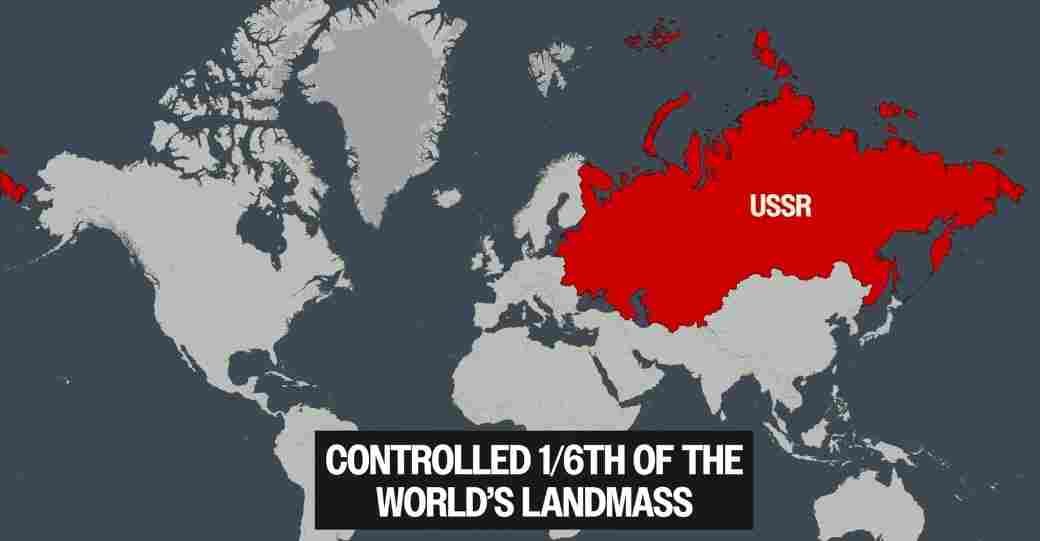
When the USSR collapsed in 1991, the nation broke into 15 new countries. Some became Western allies—Ukraine, Latvia, Lithuania. Some became Chinese allies—Kazakhstan, Kyrgyzstan. Some fought among themselves—Armenia and Azerbaijan.
The once-great Soviet identity shattered.
Before 1991, major industries like energy, mining, and communications were state-owned. But after the collapse, rapid privatization led to the rise of oligarchs—a handful of men who controlled Russia’s economy and even its politics.
Russia’s president, Boris Yeltsin, was widely seen as a weak leader—or worse, a Western puppet.
- The ruble crashed.
- Russia had $40 billion in debt.
- Poverty skyrocketed.
- Basic necessities became luxuries.
Russians call this era “The Wild 90s.”
The country needed a strong leader—someone who understood war, geopolitics, intelligence, and internal unity.
In 1999, Yeltsin appointed Putin as Prime Minister—one step below the top job.
And then, something happened that changed everything.
In September 1999, bombings rocked Moscow, killing 300 civilians. Panic spread nationwide. Putin appeared on TV with a fierce message:
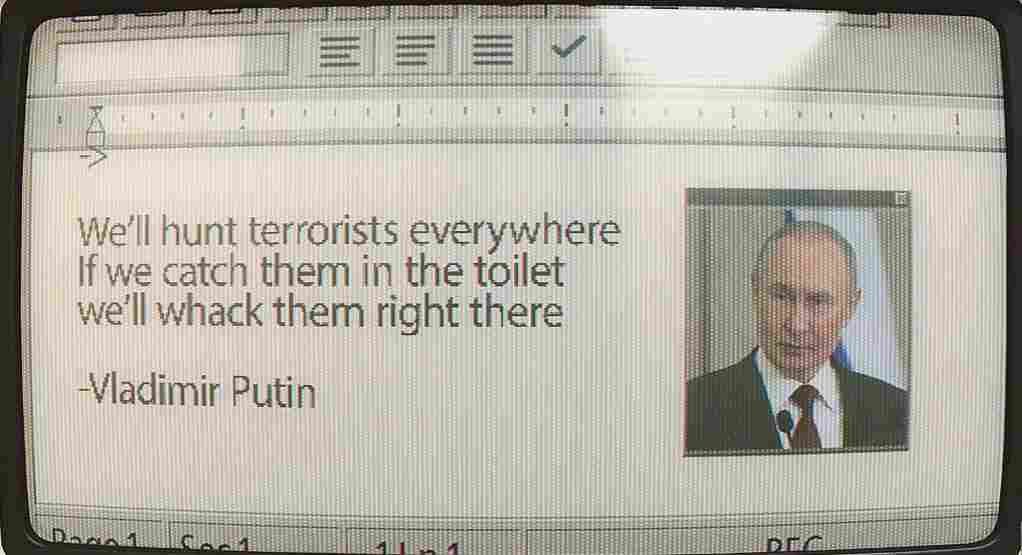
“We will find the terrorists. Even if they hide in the toilet, we will crush them there.”
Before this, only 2% supported him.
After this, support shot to 45%.
Putin ordered air strikes in Chechnya.
Russians saw action, not promises.
And on December 31, 1999, Yeltsin resigned.
Putin became the President of Russia — the new “czar” in a modern world shaped by conflict, history, and politics discussed in every major putin news analysis.
The Putin Era — Economic Miracle, Centralized Power & Stability
As president, Putin became popular among global leaders. Even US President George W. Bush once said he looked into Putin’s eyes and “found him trustworthy.”
Between 1999 and 2008, oil prices skyrocketed from $10 to $150 per barrel.
Russia’s economy exploded.
- Disposable income tripled
- Unemployment dropped
- Life expectancy rose
- Millions entered the middle class
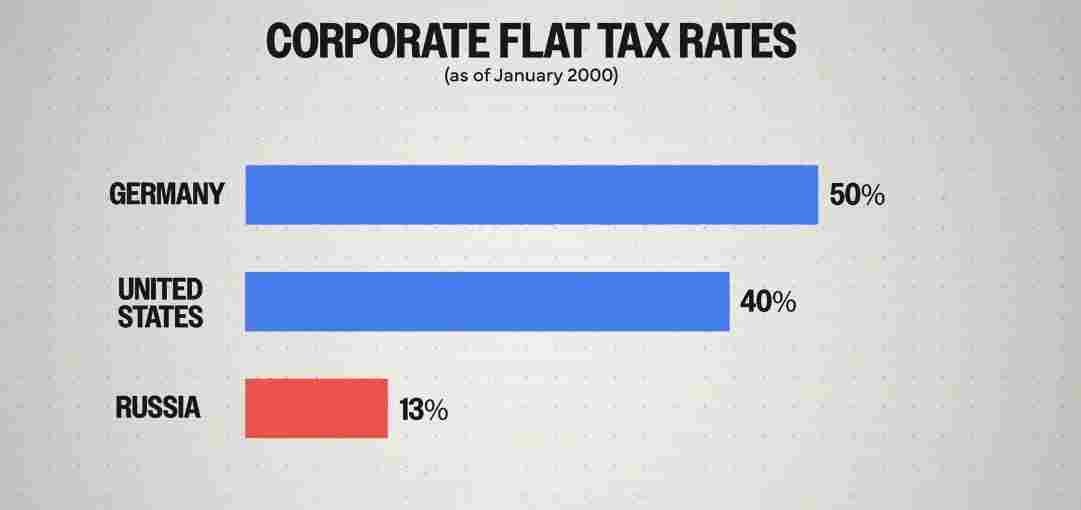
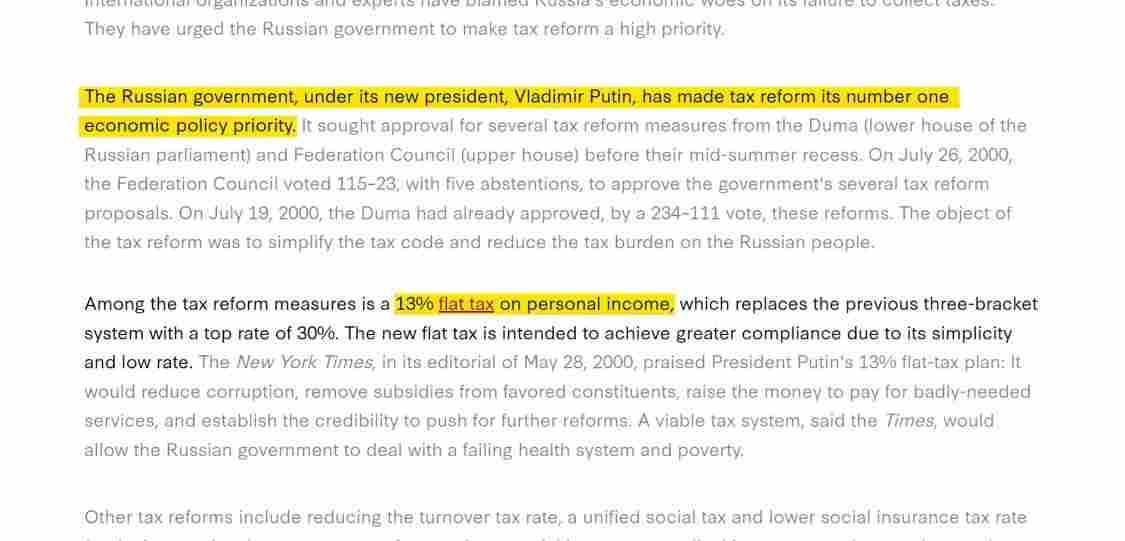
Putin implemented a bold 13% flat tax, unimaginable in developed nations. He began to control oligarchs, ensuring they stayed out of politics.
He also centralized governance, appointing regional governors himself. Critics called it undemocratic; supporters called it necessary.
Russia is the world’s largest landmass.
Putin believed democracy could divide it.
He aimed for unity and stability above freedom.
He became:
- loved by many
- feared by opponents
- respected globally
And undeniably, he delivered what he promised:
Order. Stability. Economic revival.
The Ukraine War, Western Sanctions & Russia’s Shift Eastward
In February 2022, Russia invaded Ukraine.
Europe believed large-scale wars were over—but geopolitics had different plans.
The West used its strongest weapon: sanctions.
- Billions in Russian assets were frozen
- Western companies exited Russia
- Trade was restricted
The goal was simple:
“Make Russia return to the chaos of 1991.”
But something unexpected happened.
Russia became China’s number one trading partner.
Trade crossed $200 billion.
China provided what the West stopped giving.
Russia provided China with cheap oil.
Sanctions failed to break Russia because China filled the gap.
From the Russian point of view, the war was to stop NATO expansion.
From the Western point of view, the war was aggression.
From a geopolitical perspective, as seen across putin news reports worldwide, this was a clash of influence, security, and history.
The truth lies in shades of grey, not black and white.
Lessons for India — Strength, Economics & System Reform
India can learn three major lessons from Russia’s story.
Lesson 1: Don’t Become a Bully — But Don’t Get Bullied Either
Putin hated bullies—whether it was Nazis who killed his brothers, schoolchildren who mocked him, or Western powers imposing sanctions.
In geopolitics:
- The US
- China
- The West
All will try to influence India at some point.
India must stay strong—not aggressive, but unshakable.
Economic Strength = National Strength
Despite war and sanctions, Russia’s GDP grew 4.3% in 2024.
Unemployment is at 3%.
Poverty fell drastically.
A leader becomes strong only when people support him.
Russians believe that without Putin, they would still be stuck in the Wild 90s.
Democracy Needs Expertise
Democracy is beautiful, but:
- It is slow
- It is messy
- It does not always reward good leadership
India must bring experts into leadership roles—urban planners, economists, strategists—especially at local and state levels.
Cities designed by experts, not ministers, can transform India.
Final Thoughts — Learn From Russia, Become Your Own Version
Russia does not blindly copy the West.
It built its own model, its own power, its own identity.
India must do the same.
Putin’s journey is controversial, but impactful.
He shaped a nation in crisis and made it a global force again—whether you see him as hero or villain depends on your lens, your politics, your information source.
But one thing is certain:
Vladimir Putin changed Russia forever.
And as long as the world continues to follow putin news, analyze his leadership, and debate his choices, his influence will echo for decades.