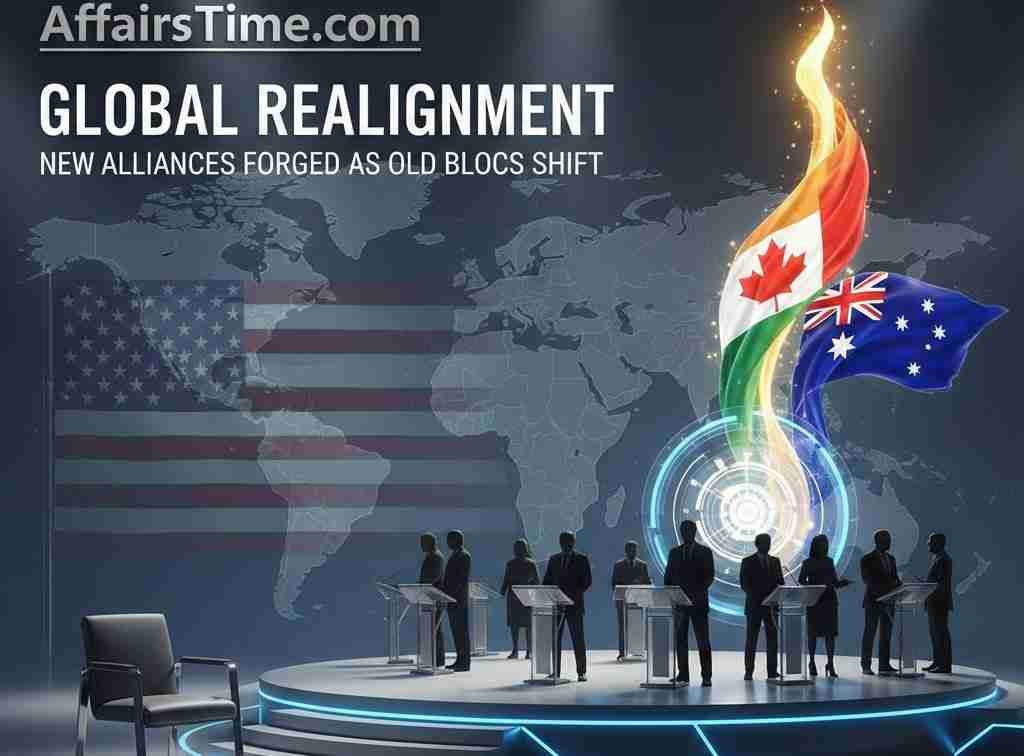
The G20 2025 Summit in South Africa made global headlines—not because of agreements alone, but because of the United States’ unexpected decision to boycott the event. Former President Donald Trump, leading U.S. foreign policy, chose not to attend, sparking debate and raising questions about America’s global influence.
Yet, while the U.S. stayed out, the rest of the world moved forward. And India emerged as one of the biggest winners.
On AffairsTime.com, we break down the entire story for you in simple, clear language—so stay tuned and don’t miss the major developments shaping the future of global politics.
🇮🇳 India’s Biggest Breakthrough: A New Trilateral Partnership
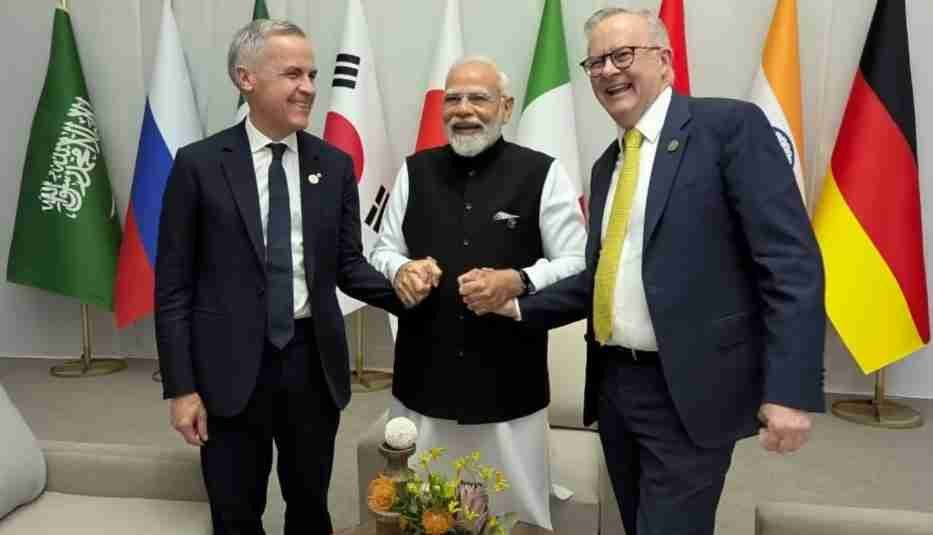
One of the most important moments of the G20 2025 Summit was India announcing a new trilateral partnership with:
- Canada
- Australia
A year ago, hardly anyone would have imagined India signing a major agreement under Canadian Prime Minister Justin Trudeau, especially considering the severe diplomatic tensions of the last few years.
But diplomacy took a historic turn.
🔹 What is the new partnership about?
India, Canada, and Australia have joined hands to collaborate in:
- Artificial Intelligence
- Technology Innovation
- Clean Energy
- Critical Minerals
- Research & Development
This alliance aims to unlock new jobs, new opportunities, and stronger economic growth among the three nations.
Canadian media is covering this extensively, and for the first time in years, Canada is looking at India as a crucial partner, not an adversary.
🇺🇸 Why Did the US Boycott the G20? The Real Reason
The American absence wasn’t an accident or scheduling issue. It was a political message.
Donald Trump accused South Africa’s government of:
- mistreating minorities
- failing to protect white farmers
- mishandling internal security
This tension began a year earlier when Trump publicly confronted South African President Cyril Ramaphosa at the White House, playing videos and news reports alleging violence in the country.
From that moment, US–South Africa relations fell sharply—and the G20 became the first major casualty.
🌍 A World First: G20 Signs Declaration Without the United States
Here’s what makes this year’s G20 historic:
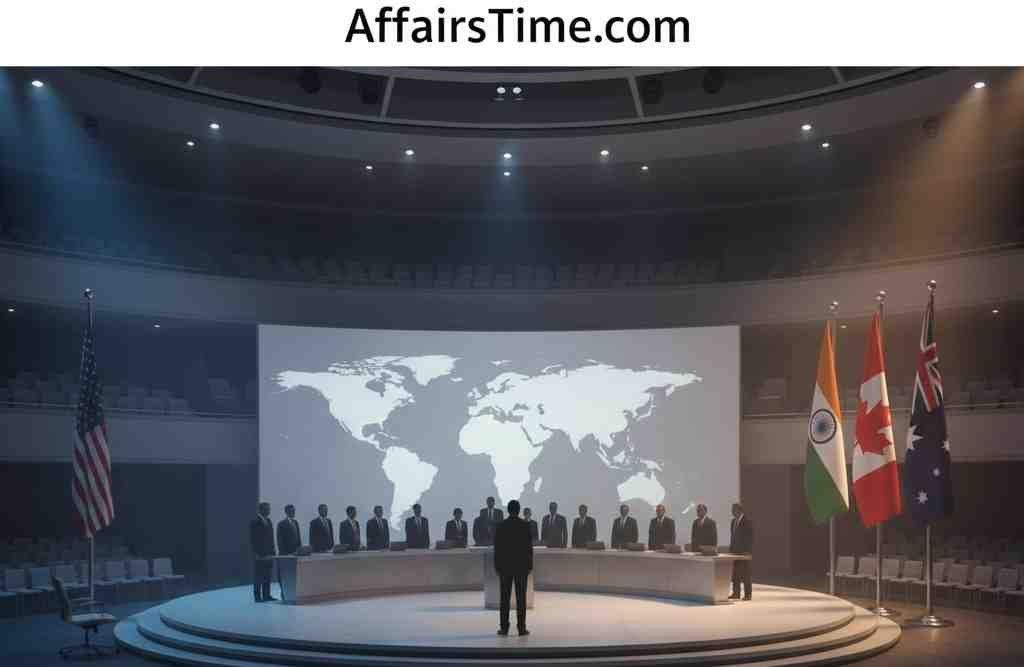
The G20 adopted a major climate change declaration without the United States’ approval.
This has never happened before.
South Africa sent a clear message:
Global cooperation will continue—even without U.S. participation.
Countries like:
- India
- Canada
- Australia
- European nations
all stood united behind the agreement.
International media even ran headlines like:
“Trump Isolated at G20”
“World Leaders Move Forward Without the U.S.”
Something unimaginable a decade ago.
🤝 Why Canada Is Moving Closer to India
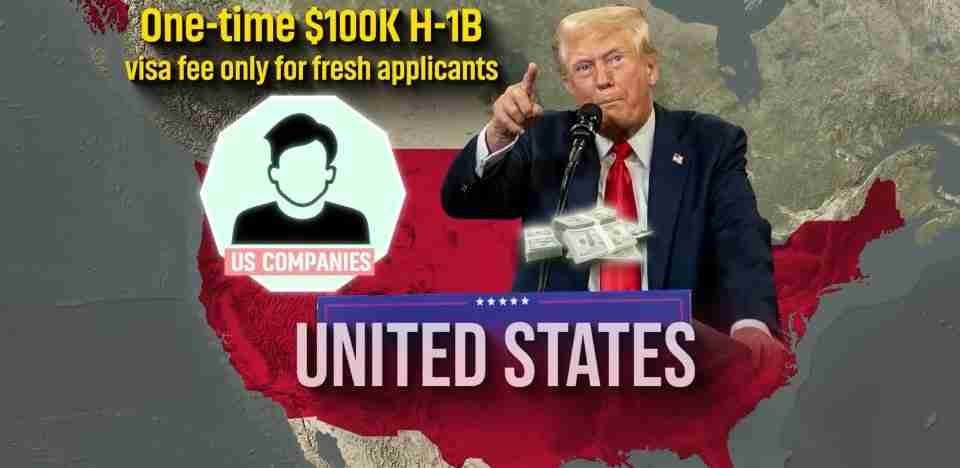
With the U.S. tightening rules around H-1B visas, Canada sees an opportunity.
Canada has already:
- Launched a $1.6 billion program to attract global tech talent
- Announced fast-track opportunities for Indian technology workers
- Strengthened ties in AI, clean tech, and innovation
This new G20 partnership fits perfectly with Canada’s strategy.
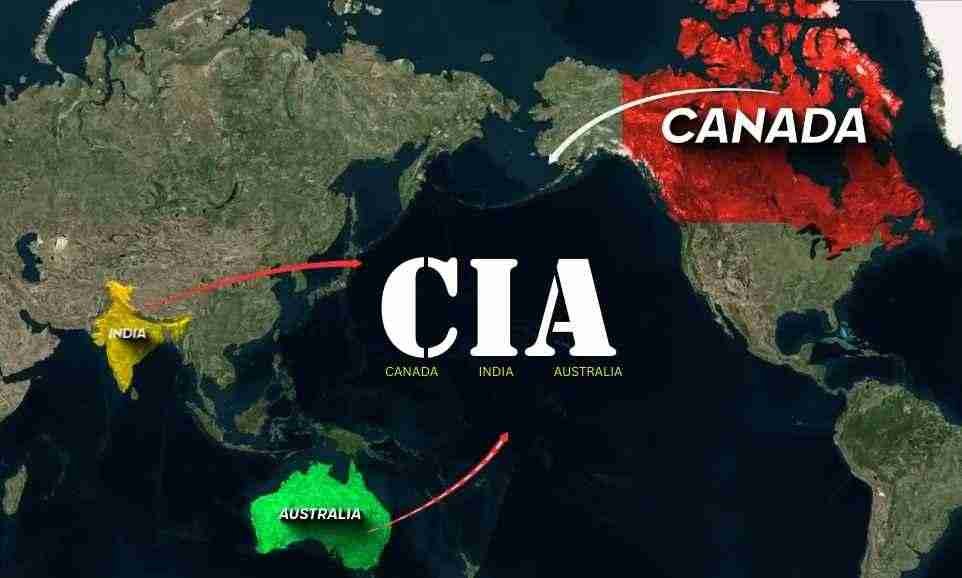
Some Canadians even joked online that the new partnership should be called “CIA”—standing for Canada, India, Australia.
🇿🇦 vs 🇺🇸 South Africa Stands Firm Against U.S. Pressure
South Africa refused to adjust its policies or apologize for U.S. criticisms.
Instead, it went ahead and approved the G20 declaration in America’s absence.
This is seen as a direct challenge to American dominance in global diplomacy.
Tensions between the two countries are now expected to rise even further.
🔮 What Happens Next? The 2026 G20 in the United States
The next G20 Summit will be hosted in the United States. But big questions remain:
- Will South African leaders attend?
- Will the U.S. soften its stance?
- Will this India-Canada-Australia partnership reshape global tech alliances?
- How will Russia be represented next year?
2026 may bring one of the most interesting G20 events in years.
🌐 What This Means for the World
Even though the declaration passed, the absence of the United States shows a worrying sign:
Global cooperation is becoming harder.
AffairsTime.com believes diplomacy should unite countries—not divide them. When major powers skip the table, humanity loses.
But the world is changing, and new alliances—like India’s trilateral partnership—are shaping a future where no single country controls the narrative.
📣 Stay Updated — Follow AffairsTime.com
If you want more clear, simple explanations of global politics, big decisions, and real-world impacts, keep reading AffairsTime.com.
👉 Stay informed. Stay aware. Stay ahead.